Your Guide to Top Rated Medical Alert Systems
Living independently as we age or caring for an elderly family member brings unique considerations. We all want to feel safe and secure in our own homes, knowing that help is available if an unexpected situation arises. This desire for peace of mind is a common thread that runs through many of our lives.
I have seen firsthand how much difference a reliable safety net can make. It allows individuals to maintain their cherished routines and stay connected to their communities without constant worry. For family members, it provides reassurance that their loved ones are protected even when they cannot be physically present.
In this comprehensive guide, I will walk you through everything you need to know about medical alert systems. We will explore what these systems are, how they function, and the many features that make them essential tools for modern living. My goal is to equip you with the knowledge to make an informed decision for yourself or someone you care about.
Understanding Medical Alert Systems: What They Are and Why They Matter
Medical alert systems are personal emergency response services designed to provide immediate assistance in critical situations. They link individuals to a monitoring center with just the press of a button. These systems are especially valuable for seniors, people with disabilities, or anyone living alone who might need urgent help for falls, medical emergencies, or other unexpected events.
I view these systems as a crucial bridge to independent living. They empower individuals to live with greater confidence, knowing that a lifeline is always within reach. For many, it extends the ability to stay in their familiar surroundings, which is a powerful factor in overall well-being. The sense of security they offer is truly immeasurable, reducing anxiety for both users and their families.
The Basics of How They Work
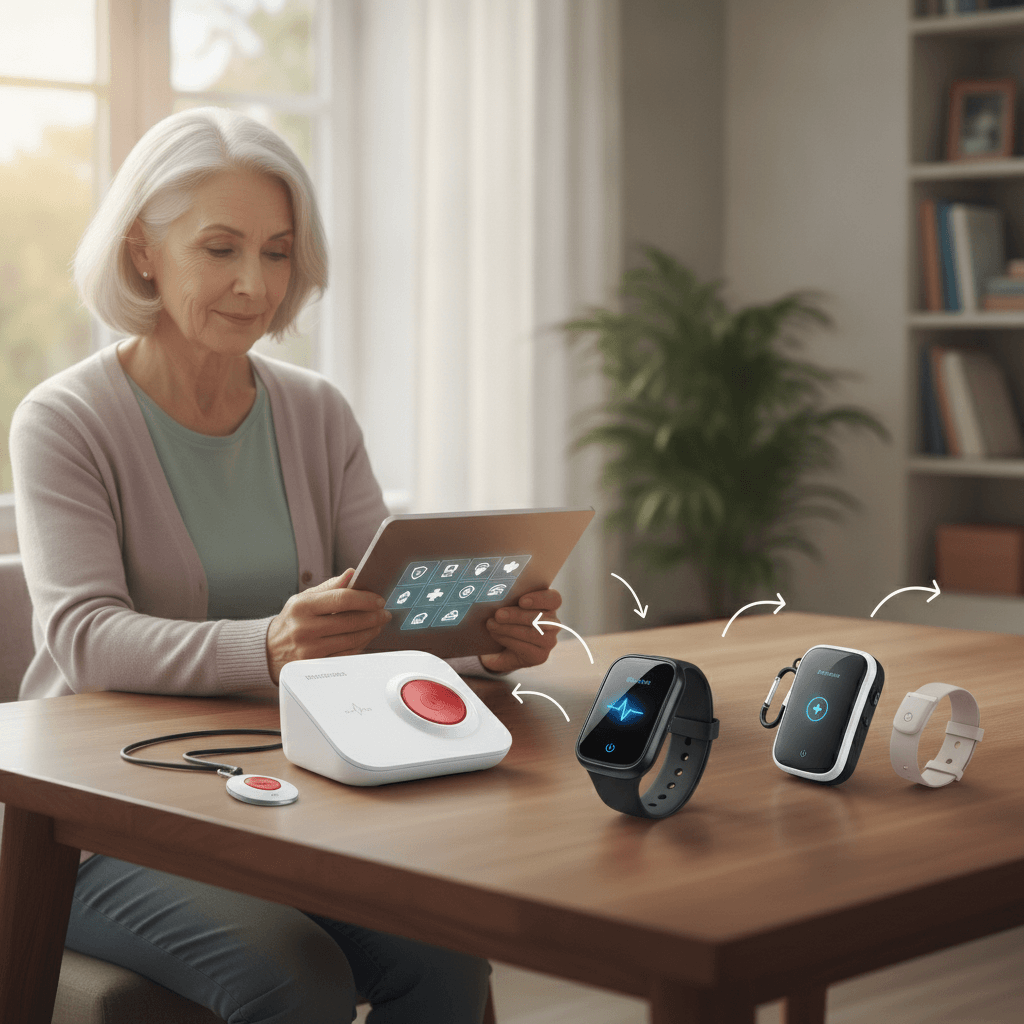
Most medical alert systems consist of a base unit and a wearable device, usually a pendant or wristband with a help button. The base unit connects to a central monitoring station through a landline, cellular network, or internet connection. When the user presses their help button, the signal goes to the monitoring center.
Trained operators at the center quickly assess the situation. They can speak directly with the user through the base unit’s two-way speaker. Based on the conversation, or if there is no response, operators will contact emergency services or a pre-selected list of family members or friends. This rapid response is what makes these systems so effective.
Who Benefits Most from These Systems
I believe medical alert systems are beneficial for a wide range of individuals. Seniors who live alone or have a history of falls find immense value in them. People with chronic medical conditions like heart disease, diabetes, or epilepsy also gain significant protection. They ensure quick access to care during health crises.
Individuals recovering from surgery or an illness can use these systems for added security during their healing process. Caregivers also benefit because they receive alerts and know their loved ones are safe. It truly offers a complete support system for many vulnerable populations.
Types of Medical Alert Systems: Finding Your Perfect Match
The market for medical alert systems has evolved significantly, offering a variety of options to suit different lifestyles and needs. It is important to understand these distinctions to select a system that provides the right level of coverage and features for you or your loved one. I have seen many people feel overwhelmed by the choices, but breaking them down makes it much clearer.
Choosing the right type depends on daily routines, mobility levels, and specific health concerns. Some systems are designed for constant home use, while others provide protection no matter where you go. Thinking about these factors helps narrow down the choices and focus on what truly matters for your safety.
In-Home Systems for Constant Coverage
In-home medical alert systems are the most traditional type. They typically include a base unit that connects to a power outlet and a landline or cellular network. The user wears a waterproof help button, usually a pendant or wristband, that communicates with the base unit from anywhere within a certain range of the home. This range can vary, so it is important to check the specifics.
These systems are ideal for individuals who spend most of their time at home. They provide reliable coverage throughout the house and usually into the yard. The base unit often has a powerful two-way speaker, allowing clear communication with the monitoring center even from another room. I often recommend these for those who value simplicity and consistent home protection.
Mobile Systems for On-the-Go Protection
Mobile medical alert systems offer freedom and flexibility for active individuals. These devices are smaller, portable, and often include built-in GPS technology. This means they can pinpoint the user’s location wherever they are, whether at the grocery store, visiting friends, or enjoying a walk in the park. They connect to the monitoring center via cellular networks, so a landline is not needed.
Many mobile systems come with fall detection capabilities built into the wearable device. This adds an extra layer of protection for users who are out and about. I find these systems incredibly useful for those who want to maintain an active lifestyle without compromising their safety. They truly extend the safety net beyond the home’s walls, providing peace of mind during errands and social activities.
Advanced Features to Consider
Beyond the basic functionality, many systems now offer advanced features that enhance safety and convenience. Some devices have medication reminders, helping users stay on schedule with their prescriptions. Others include activity tracking, which can alert family members if there is an unusual change in daily patterns, like extended inactivity. This proactive monitoring adds another layer of security.
Some systems also integrate with smart home technology, offering features like smoke detection or carbon monoxide monitoring. These integrations create a more comprehensive safety solution for the home. It is worth exploring these additional features to see if they align with your specific needs and offer extra value.
Key Features to Look for in Top Rated Medical Alert Systems
When you are evaluating different medical alert systems, understanding the key features is paramount. Not all systems are created equal, and some features offer significant advantages depending on your situation. I always advise people to look beyond the basic button press and consider what truly enhances safety and peace of mind.
Focusing on reliability, responsiveness, and user-friendliness helps narrow down the best options. These systems are an investment in safety, so picking one that meets all your specific needs is very important. I believe that a well-chosen system can make a significant difference in daily life.
Reliable Fall Detection Technology
Automatic fall detection is one of the most important innovations in medical alert technology. This feature uses sensors, like accelerometers and gyroscopes, to detect sudden changes in motion or position that indicate a fall. If a fall is detected, the system automatically alerts the monitoring center, even if the user cannot press their button.
This technology is not foolproof, and false alarms can happen, but it adds a critical layer of protection for individuals at high risk of falling. It is especially valuable for those who might lose consciousness or become disoriented after a fall. I consider it a must-have for many of the seniors I know.
GPS Tracking for Mobile Freedom
For those who lead an active lifestyle or frequently leave their home, GPS tracking is an indispensable feature. This technology allows emergency responders and designated contacts to locate the user quickly, no matter where they are. It works by using satellite signals to pinpoint the device’s exact location, which is then transmitted to the monitoring center.
GPS tracking removes the fear of being stranded or unable to communicate your location during an emergency outside the home. It gives both the user and their family incredible reassurance. I have heard many stories where GPS tracking made a critical difference in locating someone in distress.
Two-Way Communication and Monitoring Centers
The ability to communicate directly with a trained operator through the medical alert device is a fundamental feature. This two-way communication allows the operator to assess the situation, offer reassurance, and dispatch the appropriate help. It bridges the gap between the user and emergency services quickly.
The quality and responsiveness of the monitoring center are just as important as the device itself. A good monitoring center operates 24/7, with highly trained professionals ready to respond to any emergency. They should be able to quickly access your medical information and contact preferences. This is the human element that makes these systems truly effective.
Choosing the Right Provider: Questions to Ask
Selecting the right medical alert system is not just about the device itself. The company behind the system plays an equally significant role in your safety and satisfaction. I always tell people that the provider’s reliability, transparency, and customer service are just as crucial as any technical feature. This is where you really need to do your homework.
Asking the right questions upfront can save you a lot of trouble and ensure you get the best service. You are entrusting your safety, or the safety of a loved one, to this company, so feeling confident in their capabilities is very important. Let us explore some key areas to investigate.
Understanding Monitoring Services and Response Times
One of the first things I investigate is the monitoring center. You need to know if they operate 24 hours a day, 7 days a week, and if their operators are certified. Ask about their average response times. A prompt response can be the difference between a minor incident and a serious outcome, so quick action is essential. You want a team that is always ready to act.
Inquire about their emergency protocols. Do they first try to contact you, then family, and then emergency services, or do they immediately dispatch help based on the situation? Understanding this sequence helps manage expectations and ensures your preferences are met. It builds trust in their process.
Costs, Contracts, and Hidden Fees
Medical alert systems come with various pricing structures, and it is vital to understand all associated costs. Some providers require long-term contracts, while others offer monthly subscriptions with no commitment. Ask about equipment fees, activation fees, and any potential charges for canceling the service early.
I always recommend getting a clear, itemized breakdown of all costs before signing up. Be wary of providers that are not transparent about their pricing. You should know exactly what you are paying for each month and what is included. Always look for a clear return policy as well, in case the system does not meet your expectations. To discover top systems and compare pricing, I suggest doing some online research.
Customer Support and Technical Assistance
Good customer support is invaluable. You might have questions about your system, need technical assistance, or want to update your contact list. A responsive and helpful customer service team makes these interactions smooth and stress-free. I look for providers that offer multiple ways to reach support, such as phone, email, or online chat.
Consider reading customer reviews to gauge other users’ experiences with a provider’s support. This offers real-world insight into how they handle issues. Reliable technical assistance ensures that any problems with your device can be resolved quickly, minimizing downtime and maintaining your safety net.
Installation and Setup: Getting Started with Confidence
Once you have chosen a medical alert system, the next step is getting it set up and ready to use. I often hear people express concern that installation will be complicated, but most systems are designed for straightforward setup. My experience tells me that modern medical alert devices are very user-friendly.
The goal is to integrate the system seamlessly into your daily life so it is there when you need it without being intrusive. A smooth installation process means you can start benefiting from the added safety and peace of mind almost immediately. Let me walk you through the typical setup options and tips for ensuring everything works as it should.
DIY vs. Professional Installation
Many medical alert systems are designed for easy do-it-yourself installation. This usually involves plugging in the base unit, pairing the wearable device, and performing a test call to the monitoring center. The instructions provided are typically clear and simple to follow, making it accessible for most users. This option is cost-effective and convenient.
However, some providers offer professional installation services. This might be a good choice if you prefer someone else handles the setup or if you have any mobility limitations. A professional can ensure optimal placement of the base unit and thoroughly test the system. Always ask about the cost of professional installation if it is an option you are considering.
Testing Your System Regularly
After installation, and on an ongoing basis, regularly testing your medical alert system is absolutely crucial. This ensures that the device is functioning correctly and that the connection to the monitoring center is strong. Most providers have a specific procedure for testing, which often involves pressing the help button and informing the operator that it is a test.
I recommend testing your system at least once a month. This small effort provides significant reassurance that your safety net is always ready. It also familiarizes you with the process, so you feel more confident if a real emergency occurs. Regular testing is a vital part of maintaining your peace of mind.
Your Path to Enhanced Safety and Independence
Navigating the options for medical alert systems can seem like a big task, but I hope this guide has provided you with a clear roadmap. We have covered the fundamental aspects of these essential tools, from understanding their core function to evaluating various types and crucial features. I believe that an informed decision is the best decision when it comes to personal safety.
Remember, the primary goal of any medical alert system is to offer immediate assistance and foster a sense of security for you or your loved one. Whether you opt for an in-home unit for consistent protection or a mobile device for freedom on the go, the right system can truly enhance independent living. It removes much of the worry associated with unexpected events, allowing life to be lived more fully.
I encourage you to take the next step in securing your well-being. Research different providers, compare their features and pricing, and ask all the questions you need to feel comfortable. Your safety and peace of mind are worth this effort. Investing in a top rated medical alert system means investing in a future where help is always just a button press away.